
Two people fall in love.
Then their families meet.
Suddenly the relationship has more people in it.
Not literally.
But emotionally.
There are expectations about marriage.
Food.
Religion.
Interracial and intercultural relationships are not automatically less satisfying. But race, family, religion, language, discrimination and cultural expectations can create pressures that love alone does not erase. The work is learning what belongs to the couple and what the outside world has brought into the room.

Two people fall in love.
Then their families meet.
Suddenly the relationship has more people in it.
Not literally.
But emotionally.
There are expectations about marriage.
Food.
Religion.
The rest of this guide goes beyond the headline idea. It takes you into the patterns, questions and practical decisions that help you apply this to your own relationship.
Every Premium Read, courses, tools and workbooks included.
Keep reading
Most relationship problems do not live in one neat category. This practical map helps you examine trust, commitment, connection, conflict, fairness, respect, intimacy and autonomy without reducing your relationship to a single label.
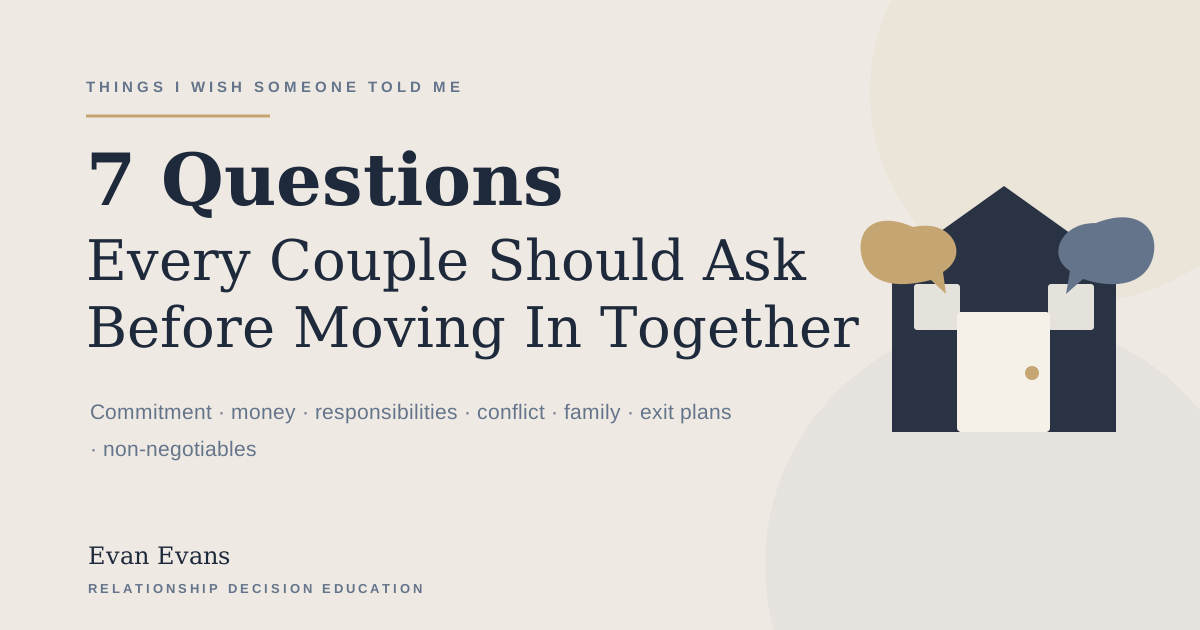
Moving in together changes more than your address. These seven conversations uncover assumptions about commitment, money, conflict, family, responsibilities and exit plans before they become problems.
Missing someone who hurt you does not prove the relationship was healthy, and it does not automatically mean you have a trauma bond. This guide separates grief, attachment, intermittent reinforcement, abuse and the difficult experience of longing for someone you know was bad for you.