
Field Notes
The conversations most couples wish they'd had earlier.
Practical, evidence-informed essays on the decisions that quietly shape a relationship: moving in, money, conflict, trust, commitment, and the ones nobody warns you about.
The library
113
articles · updated regularly · by Evan Evans
Guided Pathways
Start with the problem you are trying to solve.
Trust has been broken
Rebuilding after cheating, secrecy or betrayal.
Follow this pathwayI am dating and deciding whether to get serious
Exclusivity, red flags, chemistry, compatibility and choosing without losing yourself.
Follow this pathwayWe are thinking seriously about marriage
Readiness, engagement, doubts, money, family, faith and the future before the wedding.
Follow this pathwayI keep excusing red flags
Control, contempt, power, attachment and the difference between unhealthy patterns and ordinary imperfection.
Follow this pathwayWe keep having the same argument
Conflict patterns, repair and communication.
Follow this pathwayI do not know whether to stay
Clarity when leaving and staying both feel difficult.
Follow this pathwayMoney is becoming a relationship issue
Disclosure, debt, contribution, income gaps, dependency and financial power.
Follow this pathwayWe are thinking of moving in
Money, privacy, expectations and sharing a home.
Follow this pathwayChildren are part of the relationship
Dating, parenting, exes and blended-family pressure.
Follow this pathwayOur intimacy has changed
Desire, rejection, closeness and sexual expectations.
Follow this pathwayThe Library
More field notes
Each piece is designed to leave you with something to recognise, discuss or do, not just another relationship opinion to consume.

What Changes After You Share a Home
Sharing a home changes access, privacy, chores, money, sex and the way conflict works. Know what usually shifts before you assume cohabitation will feel like extended dating.

The Household Labour Conversation Nobody Wants to Have
Household labour becomes relationship labour when one person has to notice, plan and remind. Make the invisible work visible before resentment turns into contempt.

How Much Privacy Should Couples Have When They Live Together?
Living together does not cancel privacy. Strong couples distinguish privacy from secrecy and closeness from constant access.

What Happens When One Person Feels Like a Guest in the Home?
A shared home becomes unequal when one partner still feels like a guest. Ownership is emotional as well as legal, and daily signals decide who truly belongs.

Should You Move In Before Marriage?
Moving in before marriage is not automatically wise or unwise. The better question is what the move means, what you believe and what evidence you need before commitment.

The Move-In Decision Audit: What You Need to Know Before Sharing an Address
Before sharing an address, audit commitment, money, household labour, privacy, sex, children, family and the exit plan. Love is only one part of readiness.

How Do You Know You Are Ready for Marriage?
Marriage readiness is less about reaching a certain age and more about whether two people can make adult promises with clear information, shared direction and workable systems.

Engagement Is Not Marriage Preparation Unless You Use It Properly
Engagement is useful when it becomes a period of serious preparation rather than a countdown to a wedding. Use it to test the promises before making them permanent.

What Are You Really Saying Yes To When You Get Engaged?
Saying yes to engagement means more than accepting a ring. It means agreeing to a direction, a set of promises and a shared future that should be spoken clearly.

Should You Marry Someone You Love but Have Serious Doubts About?
Serious doubts before marriage deserve investigation, not shame. Learn how to distinguish normal fear from evidence that the relationship may be wrong for marriage.

The Questions Couples Avoid Before the Wedding
Wedding planning often crowds out the conversations that matter more. These are the questions couples most need to face before the ceremony.

What Commitment Looks Like When Feelings Change
Commitment is easy to feel when love is effortless. Its real shape becomes visible when attraction, certainty or circumstances change.

Can You Be Deeply in Love and Still Be Wrong for Marriage?
Deep love does not guarantee marriage compatibility. Two good people can love each other and still want lives that cannot be combined without major sacrifice.

The Marriage Readiness Audit: Love, Money, Children, Faith, Family and the Future
Use this marriage readiness audit to examine the six areas that create the most expensive surprises: love, money, children, faith, family and the future.

Should We Have a Baby, or Are We Trying to Fix the Relationship?
A baby can deepen a strong partnership, but it should not be recruited to repair a weak one. Test whether the desire for a child is separate from the desire to save the relationship.

What Couples Need to Agree on Before Having Children
Couples do not need identical parenting styles, but they need enough agreement on values, work, discipline, money and family involvement before children arrive.

Dating Someone With Children: What Changes for Everyone
Dating someone with children means entering an existing family system. The relationship is not only about chemistry between two adults, and that deserves honest preparation.

When the Child Does Not Accept the New Partner
A child rejecting a new partner does not automatically mean the relationship is wrong. The adults need to understand loyalty, grief, pace and boundaries without making the child responsible for the couple.

The Ex-Partner Problem in Blended Families
An ex-partner remains relevant when children are shared, but co-parenting does not require blurred emotional boundaries. The current relationship needs clarity, not competition.

Who Gets to Discipline the Children in a Blended Family?
Stepparent discipline works best after relationship, authority and household expectations are clear. A new partner should not be handed parental power before trust exists.

When Your Partner Always Chooses the Children Over the Relationship
A parent's children have real needs, but a partnership cannot survive if every adult need is dismissed with “the children come first.” Learn the difference between priority and permanent exclusion.
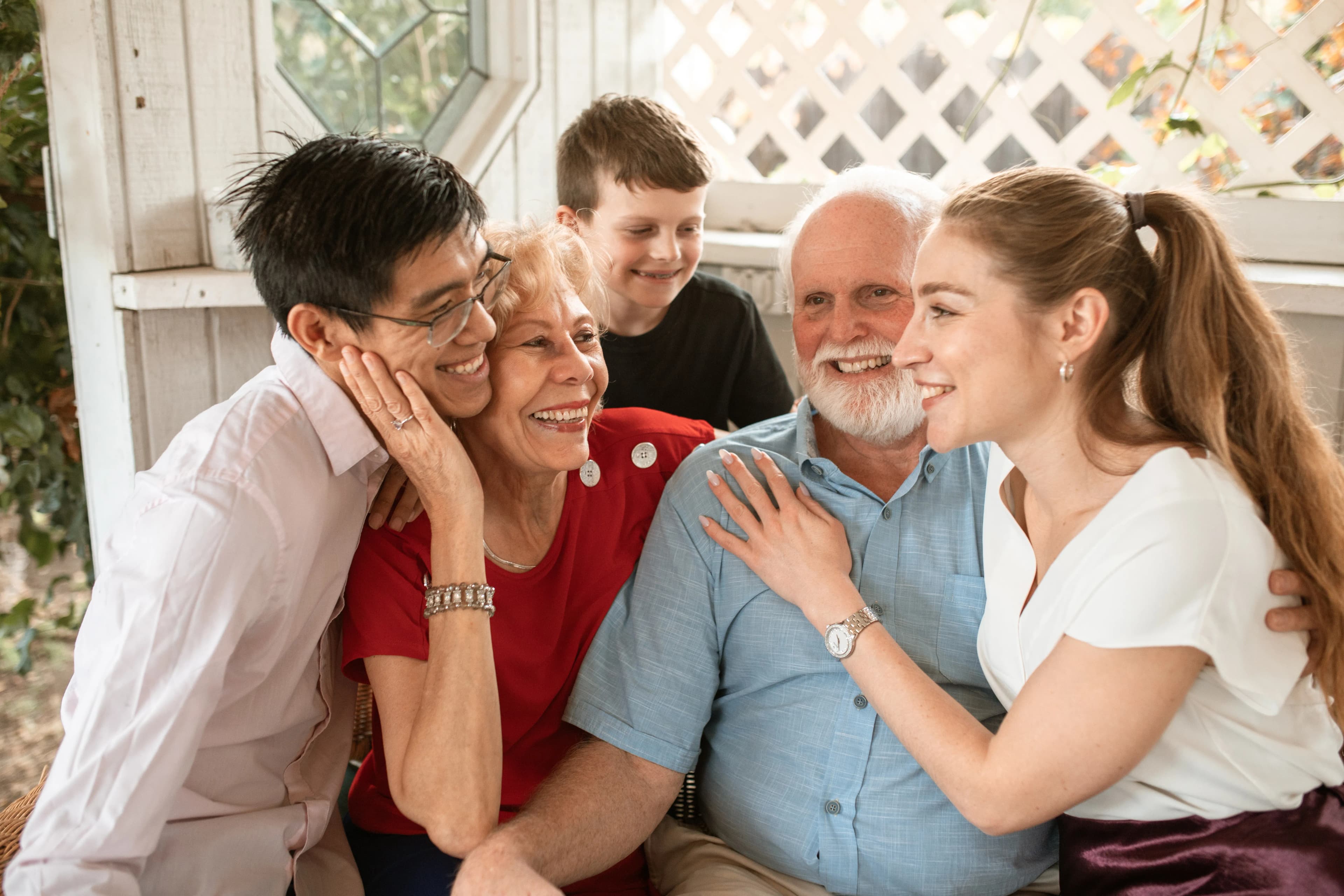
The Blended Family Audit: Loyalty, Boundaries, Parenting and Partnership
Use this blended-family audit to examine loyalty, ex-partner boundaries, parenting roles, discipline, money, privacy and whether the adult partnership has a workable place.

Does an Age Gap Matter More Than People Admit?
An age gap matters less as a number than as a possible gap in life stage, power, money, health and future timing. Assess the actual differences instead of the birthdays alone.

Love Across Cultures: What Couples Need to Talk About Early
Love across cultures works better when couples discuss family, money, faith, gender roles, children, language and belonging before differences become personal insults.
Moving In Together?
Do not guess whether you are ready to share a home.
Take the free 5-minute Move-In Readiness Assessment for a personalised score and the conversations that deserve your attention before you move.